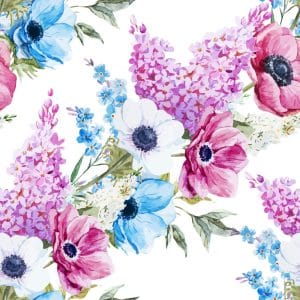
Watercolor painting is a timeless art form that captures the beauty of nature in soft, translucent layers. Among the most popular subjects for watercolor artists are flowers, as they offer endless opportunities to explore vibrant colors, delicate textures, and unique shapes. Learning how to watercolor flowers not only hones your artistic skills but also allows you to create stunning, nature-inspired masterpieces. Whether you’re a beginner or looking to refine your technique, these seven stunning tips will help you master the art of painting flowers with watercolors.
Tip 1: Choose the Right Materials
The first step in learning how to watercolor flowers is selecting the right tools. High-quality materials make a significant difference in your results.
- Paper: Use watercolor paper, preferably 140lb or higher, to prevent warping. Cold-pressed paper is ideal for flower painting because of its texture.
- Paints: Invest in artist-grade watercolors with vibrant pigments for long-lasting results.
- Brushes: Use round brushes in sizes 2, 4, and 8 for details and washes.
Having the right materials ensures your paintings capture the delicate essence of flowers.
Tip 2: Study Flower Anatomy
To accurately depict flowers, spend time observing their anatomy. Learn how petals overlap, stems curve, and leaves connect to flowers. This understanding helps you create realistic and expressive compositions. By practicing how to watercolor flowers, you’ll notice patterns and nuances that add life to your work.
Tip 3: Start with Light Sketches
Begin with a light pencil sketch to outline the flower’s structure. Avoid heavy lines that might show through the paint. A good sketch is a roadmap, helping you focus on the artistic process. Keep your lines minimal as you practice how to watercolor flowers so the delicate features of the blooms stand out.
Tip 4: Master the Wet-on-Wet Technique
The wet-on-wet technique is a fundamental skill in watercolor painting. Wet the paper first and then apply paint to achieve soft transitions in petal colors. This method creates organic blends and textures, perfect for capturing the soft gradients of flowers. Experiment with this technique when learning how to watercolor flowers to bring your paintings to life.
Tip 5: Build Layers Gradually
Watercolor is a medium of patience. Start with light washes and gradually build layers for depth and dimension. Allow each layer to dry before adding more pigment. This technique is especially important when painting delicate blooms like roses or peonies. By mastering layers, you’ll elevate your ability to express how to watercolor flowers effectively.
Tip 6: Use Negative Space
Negative space is as important as the painted areas. You create a balanced and dynamic composition by leaving white spaces or adding contrasting washes. Negative space can enhance the focus on the flower and add a professional touch to your art. Incorporate this principle in your journey of how to watercolor flowers to achieve more compelling results.
Tip 7: Embrace Mistakes
Watercolor painting can be unpredictable. Embrace accidents and see them as opportunities for creativity. Sometimes, an unintended splash of color or blend can add character to your artwork. Learning how to watercolor flowers includes discovering beauty in imperfections and making your style unique.
Additional Tips for Success
Practice Color Mixing
Experiment with blending colors to create unique palettes for your flowers. Understanding how pigments interact will allow you to achieve realistic tones and highlights.
Work on Petal Textures
Use dry brush techniques for veins and delicate textures on petals. This adds realism and intricacy to your paintings.
Create a Series
Painting a series of flowers, such as seasonal blooms or a garden theme, can help you practice consistency while showcasing variety. Each piece will contribute to your skill as you master how to watercolor flowers.
Common Challenges and How to Overcome Them
Uneven Paint Application
If you struggle with uneven washes, practice controlling the water-to-paint ratio. Use a test sheet to experiment before applying paint to your main artwork.
Overworking the Paper
Too many layers can damage the paper. To avoid this, plan your washes and strokes carefully.
Achieving Realistic Shadows
Shadows can make or break your painting. Use complementary colors to add depth rather than relying solely on black paint.
Exploring Inspiration for Watercolor Flowers
Nature is the best source of inspiration. Visit gardens, study photos, or bring home fresh flowers to observe their colors and shapes. Creating a mood board or sketchbook dedicated to flowers can spark ideas and keep your passion for learning how to watercolor flowers alive.
Benefits of Learning How to Watercolor Flowers
- Stress Relief: Painting flowers can be meditative and relaxing, offering a break from daily stresses.
- Skill Development: You’ll improve your understanding of color theory, composition, and brush techniques.
- Creative Expression: Flower painting allows you to experiment with realistic and abstract styles.
Final Thoughts
Mastering watercolor flowers is a rewarding journey combining skill, observation, and creativity. With practice and patience, you can capture the beauty of flowers in vibrant and delicate watercolor paintings. Use these tips as a guide, and let your artistic voice bloom.